Yellowstone National Park is a realm of unparalleled natural wonders, a place where the Earth truly shows its dynamic, living heart. While Old Faithful might steal the headlines, adventurers seeking a comprehensive and easily accessible glimpse into the park's geothermal might will find their true calling on the Fountain Paint Pots Trail in Yellowstone National Park. This remarkable loop isn't just a walk; it's an immersive journey through a landscape that breathes, bubbles, and erupts, showcasing all four of Yellowstone's primary hydrothermal features within a compact, unforgettable distance.
Discover Yellowstone's Hydrothermal Grand Slam: All Four Features in One Place
What makes the Fountain Paint Pots area a standout destination, even amidst Yellowstone's vast collection of geothermal marvels? It's the unique opportunity to witness all four types of hydrothermal features – mudpots, geysers, hot springs, and fumaroles – converged in one easily explorable location. Tucked within the Lower Geyser Basin, the Fountain Paint Pots Trail offers a half-mile to 0.6-mile boardwalk loop that guides you past no fewer than 16 distinct thermal sights. This incredible concentration means that even on a short hike, you're practically guaranteed a spectacular show and a crash course in geothermal volcanism.
Imagine stepping onto a path where every turn reveals a new expression of Earth's inner power:
- Geysers: Watch as columns of superheated water and steam periodically rocket skyward, a dramatic display of pressure and heat. While none here are as famous as Old Faithful, their frequent eruptions promise a captivating experience.
- Hot Springs: Marvel at tranquil, steaming pools of crystal-clear, impossibly blue water, where heated water flows unimpeded to the surface. These serene oases often belie the intense heat beneath.
- Mudpots: Witness the trail's namesake feature – fascinating, gurgling vats of thick, boiling mud, a primal soup that bubbles and plops with a mesmerizing rhythm.
- Fumaroles: Hear the hiss and roar of steam and gases escaping through vents in the ground, a dry, powerful expression of geothermal energy that often sounds like giant bellows.
This trail is a masterclass in diversity, offering an unparalleled educational and visual experience for visitors of all ages and mobilities.
A Walk Through a Living Laboratory: Understanding the Wonders You See
The Fountain Paint Pots Trail is more than just beautiful; it's a living, breathing geological classroom. Understanding the science behind these phenomena deepens the appreciation of your visit to the fountain paint pots trail in yellowstone national park.
The Mechanics of Yellowstone's Hydrothermal Features
Each feature tells a story of water, heat, and rock:
- Geysers Explained: Deep beneath the surface, groundwater seeps into the earth and comes into contact with scorching hot magma. As the water heats up, it eventually boils. If its path to the surface is constricted, pressure builds rapidly. When this pressure becomes immense, the superheated water rapidly converts to steam – which occupies 1,500 times the volume of water! This sudden expansion forces steam and water droplets explosively out of the ground in a geyser eruption, a process that repeats once the pressure subsides and the system recharges.
- Hot Springs: In contrast to geysers, hot springs form when the superheated water has an unobstructed pathway to the surface. It collects in serene, often vibrantly colored pools, continuously steaming and releasing its heat.
- Fumaroles: These are the driest of Yellowstone's hydrothermal features. Lacking significant groundwater, fumaroles primarily release steam and various gases (like hydrogen sulfide) directly from vents in the Earth. The escaping gases can create a powerful, roaring sound, making them feel incredibly raw and ancient.
- Mudpots: Situated between hot springs and fumaroles in terms of water content, mudpots are a unique blend. Here, hydrogen sulfide gas emitted from underground sources combines with groundwater to form sulfuric acid. This acid then breaks down the surrounding volcanic rock into clay, which mixes with the limited water supply to create the iconic, thick, boiling mud. The intensity of the mudpot's activity can vary greatly with the season, often being thicker and more active during drier periods.
The Vibrant Ecosystem of Bacteria Mats
Beyond the geological drama, the trail also introduces you to a thriving microbial world. You’ll notice striking oranges, reds, and yellows painting the edges of many thermal pools and run-off channels. These vibrant hues are created by "Bacteria Mats" – vast colonies of thermophilic (heat-loving) bacteria. These microscopic organisms thrive in the extreme temperatures and unique chemical environments of Yellowstone’s hot springs and geyser run-offs, forming intricate, colorful mini-ecosystems. They are a testament to life's adaptability and add another layer of visual splendor to your visit.
Navigating the Trail: Tips for an Optimal Experience
The fountain paint pots trail in yellowstone national park is designed for accessibility and wonder, but a few practical tips can enhance your adventure:
Accessibility and Safety First
- Boardwalks for All: One of the most commendable aspects of Yellowstone’s geyser basin trails, including Fountain Paint Pots, is their accessibility. Built entirely on sturdy boardwalks, the path accommodates everyone from visitors pushing strollers to those in wheelchairs. This ensures that a wide array of people can safely explore a significant portion of this incredible national park. Remember, these boardwalks are not just for convenience; they are crucial for your safety, as the ground surrounding thermal features is extremely unstable and dangerously hot.
- Respect the Environment: Park regulations strictly prohibit throwing anything into the thermal features. While this may have been a quaint custom resembling a "wishing well" in the past, it's now understood that even minor disturbances can throw these delicate geothermal systems off balance. Like coral reefs, a small disruption could take decades to resolve, impacting the natural rhythm and integrity of these unique geological formations.
Beating the Crowds and Capturing the Magic
Like most popular geyser trails in Yellowstone, the Fountain Paint Pots Trail can become incredibly crowded, especially during peak season and between the hours of 10 AM and 4 PM. To truly savor the experience and avoid the bustling throngs, plan your visit for early mornings or late afternoons. You can find more detailed strategies for a serene visit in our guide on Beat the Crowds: Your Guide to Yellowstone's Fountain Paint Pots Trail.
Within this captivating loop, keep an eye out for specific highlights:
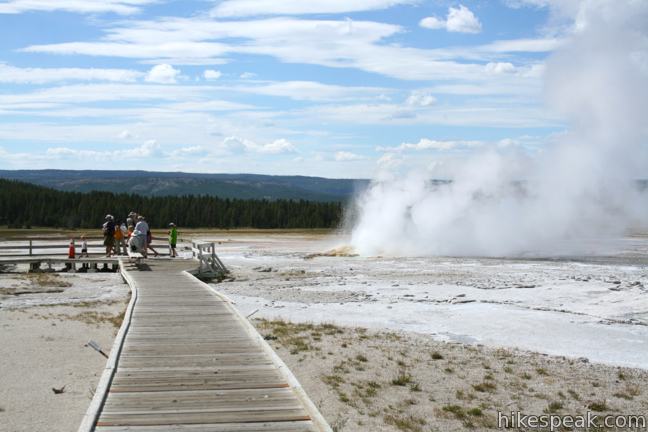
- The Clepsydra Geyser: Located about halfway through the trail, this geyser is named after the Greek word for 'water clock' because it once erupted precisely every three minutes. Today, Clepsydra is renowned for erupting almost continuously throughout the day, offering a fantastic and reliable photo opportunity.
- The Paint Pots Themselves: Don't miss the bubbling mudpots that give the trail its name. These active, colorful cauldrons are a highlight, showcasing the raw, earthy power of the geothermal system.
- Frequent Eruptions: Even if you don't catch Old Faithful, the geysers along this trail erupt with such frequency that you're almost guaranteed to witness several spectacular bursts. Keep your camera ready!
The Enduring Allure of the Fountain Paint Pots Trail
The Fountain Paint Pots Trail in Yellowstone National Park truly encapsulates the spirit of Yellowstone in a concise, impactful package. It's a journey that stimulates all senses, from the earthy sulfurous scents to the visual spectacle of vibrant colors and erupting steam, and the subtle rumble of the Earth beneath the boardwalks. Whether you're a first-time visitor or a seasoned park-goer, this accessible and information-rich loop offers a unique and comprehensive encounter with Yellowstone's incredible hydrothermal diversity. It's an adventure that leaves you with a profound appreciation for the planet's dynamic forces and the delicate ecosystems they foster.
