Yellowstone National Park is a land of unparalleled natural wonders, where the earth breathes and hisses with a power that feels ancient and alive. Among its many captivating hydrothermal areas, the Fountain Paint Pots Trail stands out as an absolute must-visit. This compact yet incredibly diverse loop offers visitors a rare opportunity to witness all four types of Yellowstone's hydrothermal features in a single, accessible journey. If you’re planning a trip to this iconic park and want to maximize your experience while minimizing the crowds, our comprehensive guide to the Fountain Paint Pots Trail in Yellowstone National Park is precisely what you need.
Unveiling the Wonders: What Makes Fountain Paint Pots Special?
The Fountain Paint Pots Trail is an astonishingly efficient way to experience a vast array of Yellowstone's geological marvels. This short, 0.6-mile loop trail, located in the Lower Geyser Basin, packs an incredible 16 distinct sights into its brief span. What truly sets this trail apart is its unique status as one of the few places in Yellowstone where you can observe geysers, hot springs, fumaroles, and mudpots—the four primary types of hydrothermal features—all within a compact, easily navigable area. It’s an immersive lesson in geothermal activity, presented with breathtaking natural beauty.
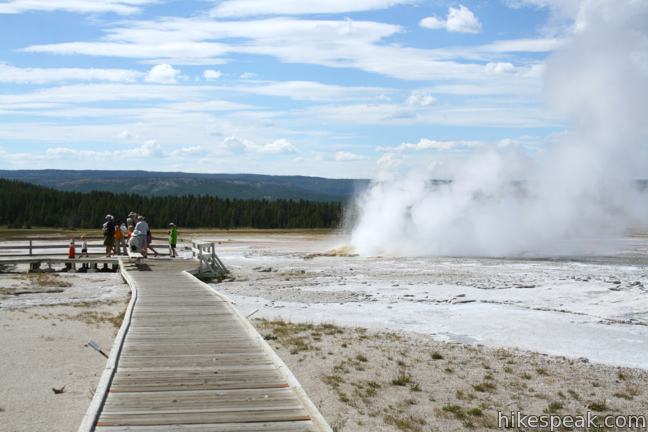
One of the most remarkable aspects of the Fountain Paint Pots Trail is its exceptional accessibility. Unlike some of Yellowstone's more strenuous hikes, this entire path is constructed with sturdy boardwalks. This thoughtful design ensures that virtually everyone can enjoy the spectacle, from families pushing strollers to visitors utilizing wheelchairs. It’s a testament to the park’s commitment to inclusivity, allowing a wide range of individuals to connect with these amazing natural phenomena up close, safely, and comfortably. As you traverse the boardwalk, you'll encounter a vibrant palette of colors, from the brilliant turquoise of hot pools to the striking oranges and reds of "bacteria mats"—microbial life forms thriving in the extreme temperatures, creating miniature ecosystems that are as beautiful as they are scientifically fascinating.
Among the trail's many highlights is the Clepsydra Geyser. Named after the Greek word for "water clock," this geyser historically erupted with predictable regularity. While its schedule has changed, it now erupts almost continuously, making it a fantastic and reliable photo opportunity. The trail itself is named for its bubbling, boiling vats of mud—the iconic mudpots—which are a truly mesmerizing sight, captivating visitors with their otherworldly gurgles and plumes of steam.
Navigating the Crowds: Your Strategy for a Serene Visit
The immense beauty and accessibility of the Fountain Paint Pots Trail in Yellowstone National Park naturally make it incredibly popular. Like many of Yellowstone's geyser basins, this area can become exceptionally crowded, particularly between 10 AM and 4 PM. However, with a little strategic planning, you can experience the trail's wonders with a sense of tranquility, allowing for better photographs and a more intimate connection with the landscape.
Optimal Timing is Key:
- Early Mornings: Arrive shortly after sunrise, ideally before 9 AM. Not only will you beat the vast majority of visitors, but the soft morning light often creates stunning photographic conditions, casting a magical glow on the steaming features. The cooler air can also intensify the steam, adding to the dramatic atmosphere.
- Late Afternoons/Evenings: Consider visiting after 4 PM, as the crowds begin to thin out. The golden hour leading up to sunset can provide spectacular lighting, painting the landscape in warm hues. Just be mindful of park closing times and plan your return accordingly.
- Shoulder Seasons: If your travel plans allow, visiting in the spring (May to early June) or fall (September to October) can significantly reduce crowd levels. While some services might be limited, the trade-off for fewer people and potentially mild weather is often well worth it.
- Weekdays vs. Weekends: Whenever possible, aim for a weekday visit over a weekend, as local and regional visitors often swell weekend numbers.
By consciously choosing your visit time, you transform the experience from a hurried dash to a peaceful exploration. You'll have more space to pause, observe the intricate details, and truly appreciate the raw power of nature without feeling rushed by the throngs of people.
A Geologist's Dream: Understanding Yellowstone's Dynamic Landscape
The Fountain Paint Pots Trail serves as a living, breathing outdoor classroom, offering a clear illustration of Yellowstone’s unique hydrothermal volcanism. Understanding the science behind these features only deepens one's appreciation for their existence. Yellowstone sits atop a supervolcano, and it's the intense heat from a shallow magma chamber beneath the surface that fuels these incredible displays.
The Four Hydrothermal Features Explained:
- Geysers: These spectacular erupting water features begin when surface water seeps deep into the earth, where it's heated by the magma. As the water boils, it becomes superheated and pressurized. If the underground channels are constricted, pressure builds until it can no longer be contained. The superheated water flashes into steam (which occupies 1,500 times the volume of water), creating immense force that expels a mixture of steam and water droplets high into the air. This process then cycles anew.
- Hot Springs: When heated water has an unobstructed path to the surface, it pools without building up explosive pressure, forming a steaming hot spring. These serene, often vividly colored pools are home to thermophilic bacteria, responsible for the vibrant yellows, oranges, and reds seen in the bacteria mats along the trail.
- Fumaroles: These are the driest of Yellowstone’s hydrothermal features, essentially steam vents without much water. Gas and steam escape through cracks in the earth's crust, often emitting a roaring or bellowing sound. The intense heat and pressure are palpable, a stark reminder of the forces at work beneath your feet.
- Mudpots: As the trail's namesake suggests, mudpots are a prominent feature. They form in areas where hydrogen sulfide gas, emitted from underground, reacts with groundwater to create sulfuric acid. This acid then breaks down the surrounding rock into clay. With limited water, this clay mixes with steam and gas, creating the iconic bubbling, boiling vats of mud that gave the Fountain Paint Pots their name. The consistency can vary from thick, gooey sludge to thinner, more soupy concoctions, always gurgling and spitting.
Each step along the boardwalk offers a glimpse into this dynamic geological symphony, from the delicate hues of the hot springs to the raw power of the geysers and the primal gurgle of the mudpots. It’s a vivid demonstration of how Earth's internal heat shapes its surface.
Essential Tips for Your Fountain Paint Pots Adventure
To ensure a safe, respectful, and memorable experience on the Fountain Paint Pots Trail in Yellowstone National Park, keep these practical tips in mind:
- Stay on the Boardwalks: This is paramount for your safety and the preservation of this fragile ecosystem. The ground surrounding hydrothermal features is often unstable, thin, and dangerously hot. Straying off the boardwalks can result in severe burns or damage to delicate geological formations.
- Do Not Throw Anything into the Features: While tempting to treat them like wishing wells, throwing coins, rocks, or any foreign objects into geysers or hot springs can disrupt their delicate balance. It's similar to coral reefs; even a small disturbance can have long-lasting, detrimental effects on the natural plumbing and chemistry, taking decades to resolve.
- Practice Leave No Trace: Pack out everything you pack in. Do not litter, and respect wildlife from a distance.
- Bring Water and Snacks: Even a short hike warrants hydration. While the trail is brief, you'll want to take your time observing, especially if you visit during warmer parts of the day.
- Dress in Layers: Yellowstone weather can be unpredictable, changing rapidly. Layers allow you to adapt comfortably to shifting temperatures and conditions.
- Don't Forget Your Camera: With the constant eruptions of Clepsydra Geyser, the vibrant colors of the bacteria mats, and the bubbling mudpots, there are countless photo opportunities. Consider a wide-angle lens for capturing the landscape and a telephoto for close-ups of specific features.
- Listen and Observe: Beyond the visual spectacle, pay attention to the sounds—the hiss of steam, the gurgle of mud, the roar of fumaroles. These auditory cues enhance the sensory experience of this incredibly active landscape.
The Fountain Paint Pots Trail is a loop, meaning you'll end your journey right where you began, allowing for easy access back to your vehicle or onto your next Yellowstone adventure. It’s an unforgettable experience that offers a condensed yet comprehensive look at the park’s geothermal heart.
The Fountain Paint Pots Trail in Yellowstone National Park offers an unparalleled opportunity to witness the raw, dynamic power of our planet in a remarkably accessible and engaging way. From its unique collection of all four hydrothermal features to its easy-to-navigate boardwalks and stunning visual displays, this short loop promises an enriching experience for every visitor. By following our tips for avoiding crowds and respecting the park's fragile beauty, you can ensure your visit to the Fountain Paint Pots is not just a walk, but a truly immersive and awe-inspiring journey into the heart of Yellowstone's geological wonders.
